
Bridging Mechanisms and Clinical Care: Research on Auditory Disorders at the LEXA Lab


Introduction
The Laboratory for Experimental Audiology (LEXA Lab) is a clinician‑driven research laboratory dedicated to advancing audiological knowledge through experimental approaches grounded in clinical realities. Based at Université Laval and embedded within the Centre interdisciplinaire de recherche en réadaptation et intégration sociale (CIRRIS), the lab focuses on auditory mechanisms that inform the assessment and management of complex auditory complaints—particularly tinnitus and decreased sound tolerance.
A defining feature of the LEXA Lab’s work is its close alignment with audiological practice. Many research questions emerge directly from clinical encounters, especially when patients report significant, persistent symptoms that are only partially explained by standard audiological findings. The lab’s overarching objective is to help bridge this gap by linking physiological mechanisms, auditory perception, functional impact, rehabilitation and therapeutic approaches.
A Clinically Driven Research Program
The research program at the LEXA Lab is organized around the principle that clinical observations should guide experimental investigation, and evidence-based experimental results should guide clinical practice. Rather than treating unexplained auditory symptoms as residual categories, the lab seeks to better understand their underlying mechanisms and perceptual correlates.
Current work is structured around three interconnected themes:
- Middle‑ear muscle function and potential role in symptom emergence
- Sound tolerance conditions, including hyperacusis and misophonia
- Tinnitus and sound‑based interventions
These themes reflect the reality of clinical audiology, where symptoms frequently overlap and evolve, and where clear diagnostic boundaries are not always apparent.
The lab closely collaborates with clinical services, notably the audiologists of the Institut de Réadaptation en Déficience Physique de Québec (IRDPQ) specialized in tinnitus and decreased sound tolerance rehabilitation.


Middle‑Ear Muscles: From Reflexes to Mechanisms of Auditory Symptoms
One of the distinctive research axes of the LEXA Lab concerns the role of the middle‑ear muscles, particularly the tensor tympani, in auditory perception and discomfort. While the stapedius reflex is routinely assessed in clinical audiology, tensor tympani activity remains largely inaccessible using conventional tools, despite its frequent implication in patient reports.
Audiologists commonly encounter patients who describe:
- Ear fullness or pressure
- Sound‑induced pain or discomfort
- Hyperacusis in the absence of significant hearing loss
- Worsening of tinnitus with everyday sounds or speech
- Middle ear-muscle myoclonic activity / Spontaneous movement of the eardrum
These experiences are often difficult to reconcile with purely cochlear or central auditory explanations. Research at the LEXA Lab explores the hypothesis that sustained or dysregulated middle‑ear muscle activity, particularly involving the tensor tympani, may contribute to such symptoms.
Experimental Access to Tensor Tympani Activity
To investigate this hypothesis, the LEXA Lab collaborated with Arnaud J. Noreña lab located in France, to develop an experimental device combining tympanometry with continuous pressure measurements in the external auditory canal. This method allows indirect, yet robust, characterization of both stapedius and tensor tympani contractions based on their distinct mechanical effects on the tympanic membrane.
Tensor tympani contraction produces an inward displacement of the tympanic membrane, detectable as a static pressure change in the ear canal. This approach enables:
- Differentiation between stapedius‑ and tensor tympani–mediated responses
- Continuous monitoring of muscle activity over time
- Experimental study of sustained contraction and muscle fatiguability
From a clinical perspective, this work demonstrates that middle-ear muscle function can be dynamically examined in humans, providing a new framework for interpreting auditory discomfort that is otherwise difficult to explain.
https://doi.org/10.1016/j.heares.2022.108509

Middle‑Ear Muscles and Symptom Clusters
Applying this methodology to patients presenting with combined symptoms—such as tinnitus, hyperacusis, ear fullness, and pain—revealed patterns suggesting atypical middle‑ear muscle behavior in some individuals. These findings support the notion that middle ear muscles activity may contribute to symptom clusters frequently encountered in audiology clinics but not well accounted for by existing diagnostic frameworks.
https://doi.org/10.1016/j.heares.2022.108519
Acoustic Shock and an Integrative Perspective
The relevance of the middle ear muscles is particularly evident in the context of acoustic shock, where auditory symptoms emerge abruptly following unexpected sound exposure. An integrative model proposes that a sudden sound may trigger an excessive or involuntary contraction of the tensor tympani, initiating a cascade of peripheral and central processes that may persist beyond the initial event.
This framework helps explain:
- Why symptoms can arise after relatively modest sound exposures
- Why standard audiological tests may appear normal
- Why patient distress may persist despite reassurance
In this context, middle‑ear muscles are not viewed solely as protective reflexes, but as potential contributors to symptom development and maintenance. This perspective is currently being tested across different populations, including military personnel and conference interpreters, both of whom are at risk of acoustic shocks. These projects are in close collaboration with Dr Lagacé laboratory at Université d’Ottawa and Arnaud J. Noreña lab, at Université d’Aix-Marseille.
https://doi.org/10.1177/2331216518801725
Advancing Our Understanding of Sound Tolerance Conditions
While middle‑ear muscle research provides a compelling mechanistic lens, many patients experience broader sound tolerance difficulties that manifest primarily as functional interference in daily life. Reduced sound tolerance is a central concern for individuals with hyperacusis or misophonia, conditions that remain challenging to assess objectively.
Ecological Assessment of Functional Interference
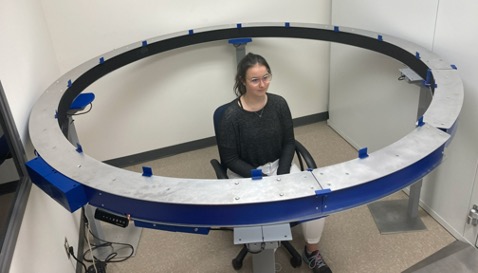
To address the limitations of typical standard audiological measures used in the context of decreased sound tolerance evaluation, the LEXA Lab developed an immersive, ecologically valid paradigm that quantifies noise‑induced functional interference in adults with hyperacusis. Participants complete functional tasks in realistic sound environments, allowing objective documentation of how noise disrupts performance and tolerance. This approach aligns closely with patient narratives and reframes hyperacusis as a condition defined not only by intolerance to sound intensity, but also by how sound interferes with everyday functioning.
https://doi.org/10.1016/j.heares.2025.109465
Psychoacoustic Assessment of Hyperacusis
Complementing this ecological approach, the LEXA Lab has contributed to the development and refinement of psychoacoustic tests based on ratings of natural sounds. These tools go beyond pure‑tone discomfort levels to capture subjective sound experience in ecologically meaningful contexts.
Successive validation studies have demonstrated that this approach can reliably differentiate individuals with hyperacusis from control participants and offers improved diagnostic specificity compared to traditional measures alone.
https://doi.org/10.1016/j.heares.2025.109482
Extending Assessment to Misophonia
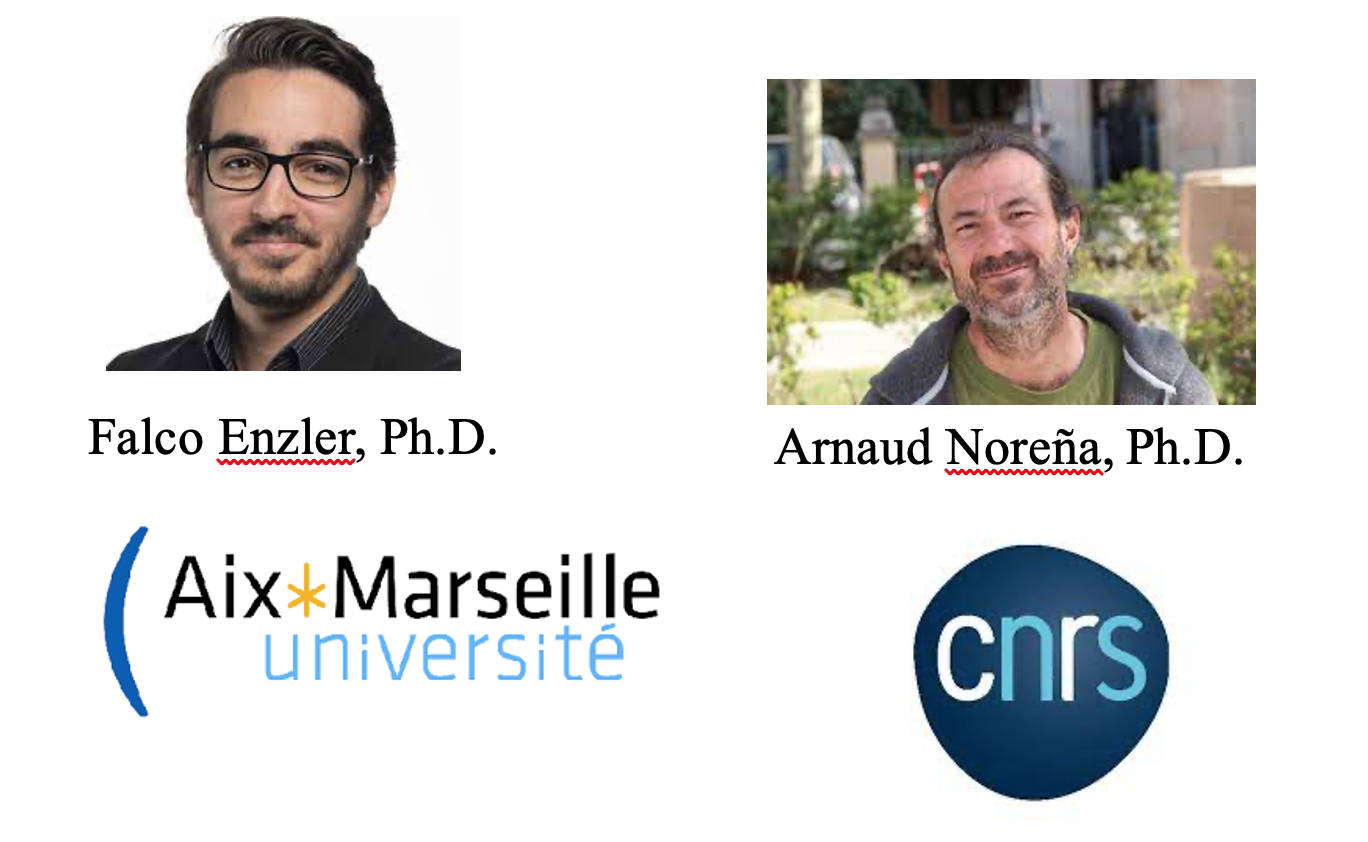
Through collaboration with Arnaud J. Noreña and Falco Enzler, the psychoacoustic tests based on ratings of natural sounds, have also been extended to misophonia, a condition characterized by strong emotional reactions to specific trigger sounds rather than sound intensity per se. By demonstrating distinct response patterns between hyperacusis and misophonia, this work contributes to clearer conceptual and clinical distinctions between sound tolerance disorders.
https://doi.org/10.1038/s41598-021-90355-8
Collectively, these studies support multidimensional models of sound tolerance, integrating perceptual, emotional, and functional outcomes.
Tinnitus Research: Informing Sound‑Based Interventions
Sound tolerance and tinnitus rarely occur in isolation. In clinical practice, patients frequently report interactions between tinnitus perception and sensitivity to external sounds. Understanding how individuals experience external sounds is therefore central to optimizing tinnitus management.
Research at the LEXA Lab examines the effectiveness of sound‑based interventions in individuals with chronic tinnitus, with particular attention to variability in clinical response. Recent work includes the use of hearing aids for adults with tinnitus and mild hearing loss and personalized sound therapy combined with cardiac coherence for veterans with tinnitus and chronic pain.
Knowledge Translation and Training Within CIRRIS, Université Laval and Beyond
Being embedded within CIRRIS provides the LEXA Lab with a strong interdisciplinary framework for knowledge translation, education, and clinical impact. The rehabilitation‑focused environment fosters close interactions between researchers, clinicians, students, and patient partners, ensuring that experimental findings remain relevant to audiological practice.
Beyond its research activities, the LEXA Lab is actively involved in training audiology students and clinicians to better evaluate and manage complex auditory conditions such as tinnitus, hyperacusis, and sound tolerance disorders—conditions often characterized by uncertainty, symptom overlap, and variability in management approaches.
The lab contributes to knowledge translation through:
- Graduate and professional training in audiology
- Clinical education and knowledge‑sharing initiatives
- Research projects involving patient partners and professional organizations, including, for example collaboration with Acouphène Québec and AFREPA (Association Francophone des équipes pluridisciplinaires en acouphènologie)
A particular focus is placed on developing innovative pedagogical tools that complement traditional teaching. These activities are conducted in close collaboration with Audioforméa, a continuing professional development organization in audiology located in France, allowing pedagogical innovations to be directly informed by clinical training needs and professional practice. The current endeavours include immersive strategies, such as tinnitus simulations, to deepen students’ and audiologists’ understanding of patients’ lived experiences. Additionally, structured techniques are in place to promote clinical decision-making in the face of uncertainty. More recently, the LEXA Lab has contributed to the implementation of the Script Concordance Test in tinnitus management—a pedagogical tool specifically designed to assess and stimulate reasoning when clinical information is incomplete or ambiguous, reflecting the realities of audiological decision making.
https://doi.org/10.3390/brainsci13091338

Digital Knowledge Transfer
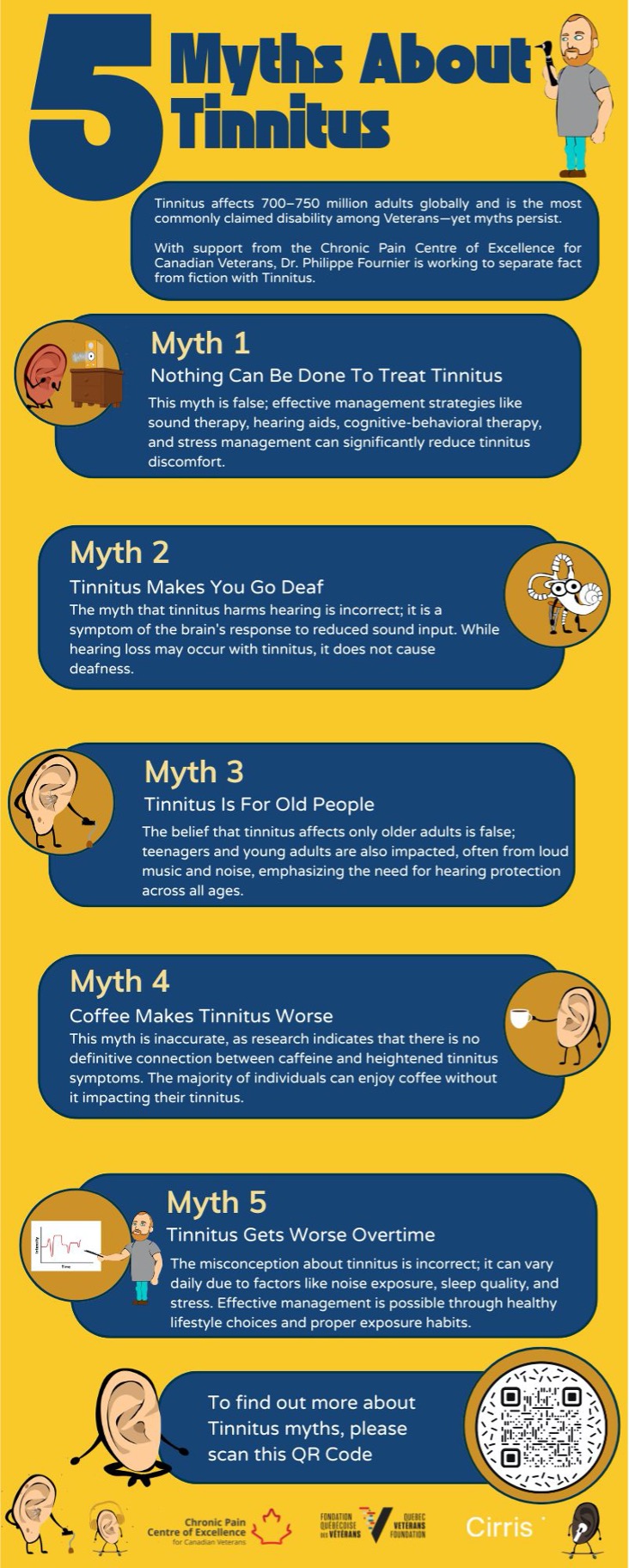
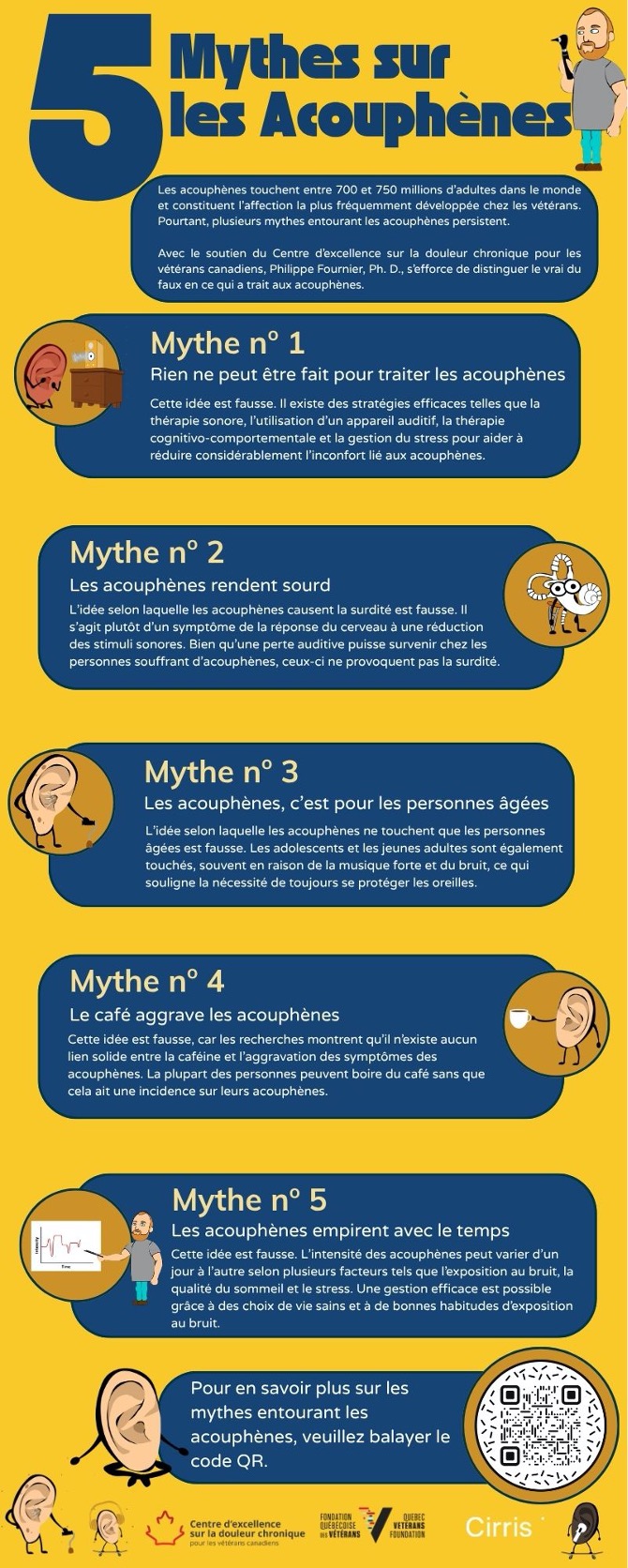
As part of its knowledge‑mobilization mission, the LEXA Lab created a bilingual YouTube channel, All Ears Audiology / Tout ouïe Audiologie, dedicated to public and clinical education. The channel currently features short videos designed to demystify common myths about tinnitus. Clinicians are encouraged to share and use these videos as educational resources with patients.
All Ears Audiology (English) Youtube channel
https://youtube.com/@lexa-lab?si=HNQ3-cXtFdtxlg4v
Tout Ouïe Audiologie (French) Youtube channel
https://youtube.com/@toutouieaudiologie?si=avzByJglAZ8pintO
Graduate students affiliated with the LEXA Lab are encouraged to develop research questions rooted in clinical observation and to communicate findings in ways that are accessible and meaningful to audiologists and patients, reinforcing the lab’s commitment to integrated research, education, and clinical care.
Conclusion
The LEXA Lab operates at the intersection of experimental audiology, hearing sciences and clinical care, with a research program driven by everyday challenges faced by audiologists. By investigating middle-ear muscle function, sound tolerance conditions, and tinnitus through complementary experimental approaches, the lab seeks to enrich understanding and management of complex auditory complaints.
Through mechanism‑informed research, ecologically valid assessment tools, and close collaboration with rehabilitation and clinical partners, the LEXA Lab aims to support a more integrative, individualized, and patient‑centered approach to audiological practice.
Clinical Take‑Home Messages
- Complex auditory symptoms often reflect interacting mechanisms.
Tinnitus, hyperacusis, misophonia, ear fullness, and sound‑induced pain frequently co‑occur. Considering these complaints as interacting perceptual and physiological phenomena—rather than isolated diagnoses—can improve clinical understanding and patient communication. - Middle‑ear muscles deserve renewed clinical attention.
Beyond the stapedius reflex, sustained or dysregulated tensor tympani activity may contribute to auditory discomfort, sound intolerance, and symptom clusters reported by patients with normal or near‑normal audiograms. - “Normal test results” do not equal the absence of dysfunction.
Auditory symptoms can emerge in the absence of measurable cochlear damage. Functional interference, listening effort, and discomfort may arise from perceptual, or multisystem mechanisms not captured by standard audiological tests. - Sound tolerance is best understood ecologically.
Hyperacusis and misophonia are defined not only by sound-level sensitivity but also by how sound interferes with daily functioning. Assessment approaches that use natural sounds and immersive listening contexts better reflect the patient experience than pure-tone measures alone. - Psychoacoustic tools can refine diagnosis.
Ratings of everyday sounds provide valuable information for distinguishing between sound tolerance conditions and for clarifying individual auditory profiles, complementing traditional audiological assessments. - Sound‑based tinnitus interventions benefit from individualization.
Sound therapy should be tailored to the patient’s auditory profile and sound tolerance, rather than applied as a uniform masking strategy. - Interdisciplinary perspectives are essential.
Auditory symptoms often involve auditory, somatosensory, and affective components. Collaboration across audiology, rehabilitation, and related disciplines supports more comprehensive, patient‑centered care.
Acknowledgements and Funding Support
The author gratefully acknowledges the funding organizations and partners whose support has enabled the Laboratory for Experimental Audiology (LEXA Lab) 's research, training, and knowledge translation activities. This work is made possible through complementary sources dedicated to auditory health, rehabilitation, education, and innovation.
Hearing Health, Audiology, and Rehabilitation Research
- Canadian Hearing Services (CHS) – Global Partnerships for Research and Innovation
- Centre for Research on Brain, Language, and Music (CRBLM)
- REPAR – Regroupement pour la recherche en adaptation‑réadaptation
- AIRS Network – Fonds de recherche du Québec (FRQ)
- Ordre des orthophonistes et audiologistes du Québec (OOAQ) – Research Grant Program
- Translation Bureau of Canada
- Fonds de recherche du Québec- Santé
Veterans, Military, and Health‑Related Research
- Chronic Pain Centre of Excellence for Canadian Veterans (CPCOE)
- Canadian Institute for Military and Veteran Health Research (CIMVHR), in partnership with the Royal Canadian Legion
- AIRS Network – Fonds de recherche du Québec (FRQ)
Research, Education, and Knowledge Translation
- Social Sciences and Humanities Research Council of Canada (SSHRC / CRSH)
- MITACS accelerate
The author also warmly thanks the students, clinicians, collaborators, and patient partners whose engagement continues to shape the laboratory’s research, pedagogical innovation, and knowledge‑translation initiatives.