
Industry News


Editor’s Note: Lorin MacDonald, CM, OOnt, LSM, JD, is a disability rights lawyer, accessibility advocate, and Adjunct Professor of Disability Law at Western University Faculty of Law. Born with congenital bilateral sensorineural profound hearing loss, she has worn hearing aids since age three and has spent more than thirty years advancing communication access and disability inclusion across Canada. A Member of the Order of Canada, the Order of Ontario, and the Canadian Disability Hall of Fame, she is the founder of HearVue Inc. and a regular contributor to Canadian Lawyer Magazine, the Toronto Star, the Globe and Mail, The Hill Times, and is a featured regular contributor to CanadianAudiologist.ca. Lorin can be reached at lorin@hearvue.com.
A Better Country: Receiving the Order of Canada
By Lorin MacDonald, CM, OOnt, LSM, JD
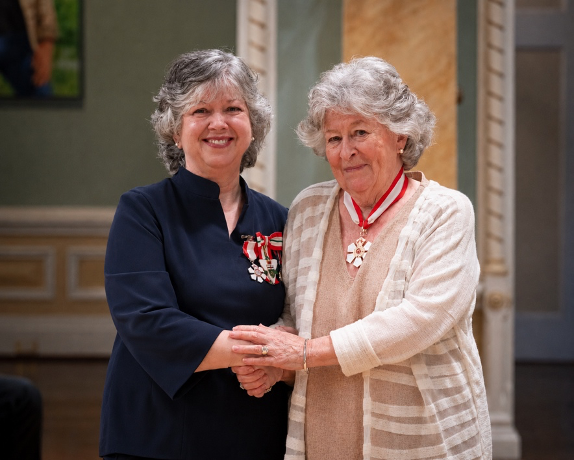
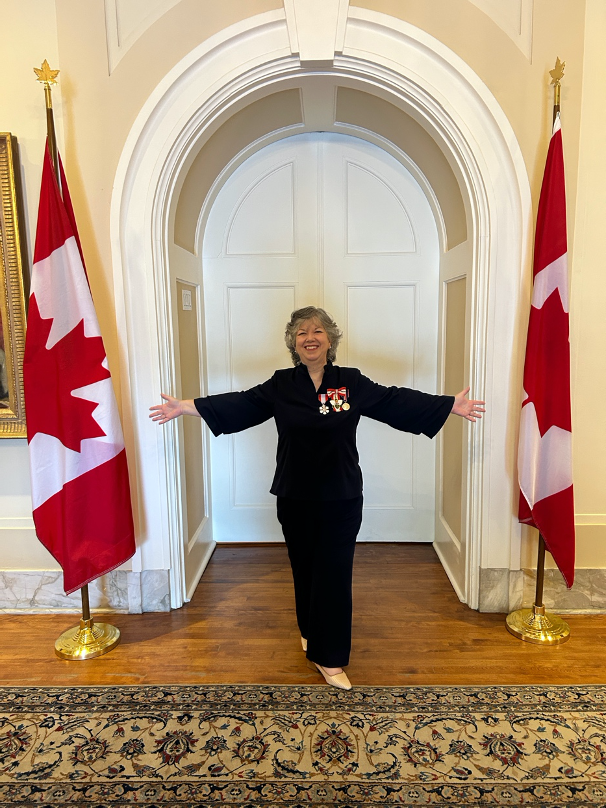
On June 25, Governor General Louise Arbour pinned the Order of Canada insignia on my chest. I had promised myself I wouldn't cry. I broke that promise almost immediately.
I was born with bilateral sensorineural profound hearing loss. I navigate the hearing world with one analogue hearing aid, lip reading, captioning, and assistive devices. For more than three decades, my work as a human rights lawyer and disability advocate has centred on a single conviction: that access is not a favour, inclusion is not charity, and a country is only as good as the people it refuses to leave behind.
This belief in communication inclusion is what led me to found HearVue in 2019. The spark was ordinary and infuriating: a year earlier, I had been refused captioning at an event featuring a renowned human rights lawyer and told to simply buy a seat closer to the front — as if proximity could replace access. I thought, if we cannot get this right here, what hope is there anywhere else? So HearVue set out to prove the value of communication inclusion at live events, until COVID shuttered them. The mission never changed.
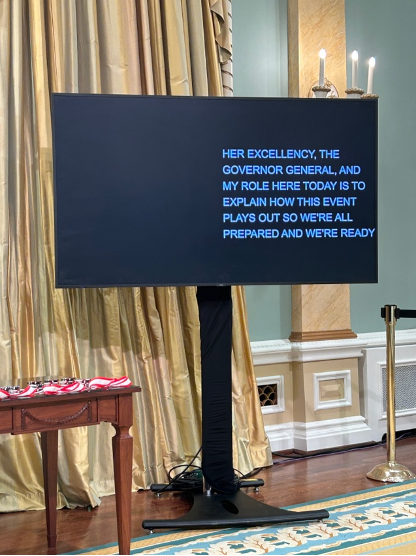
Here is what I want the hearing health profession to know about that room at Rideau Hall. The captioning was there — not as an experiment, but as the beginning of a permanent change for future ceremonies. On screens at both sides and the back, every word in English and French was rendered in real time by human captioners, so that I could receive my country's highest civilian honour and actually follow the ceremony that conferred it. And so others could, too.
Then something I did not expect: my citation itself named that I had brought captioning to Rideau Hall. The very access I have spent a lifetime fighting for was not a footnote to the honour — it was part of the reason for it. To hear communication access read aloud as a contribution to my country undid me a little.
Communication inclusion is often assumed to serve a small few. It does not. Research shows up to 80 per cent of people who use captions do not have hearing loss at all. It supports those new to English, those with learning disabilities, and those with hearing loss, diagnosed and undiagnosed. In essence, everyone benefits from two avenues to communication, audible and visual. No one needs to self-disclose; it is simply there when you need it. It is not an accommodation for a minority. It is intelligent design for the majority — the work the hearing health field advances every day.
The question I've been asked most since June 25 is simple: what did it feel like? It felt like being fully seen. Not for a single act, but for a whole life's insistence that disability is not the barrier — the design is.
Desiderantes meliorem patriam. They desire a better country. I do. I have. And a snowflake pin, however beautiful, does not release me from that desire — it deepens it. If we do not intentionally include, we unintentionally exclude. That is where the work goes next.
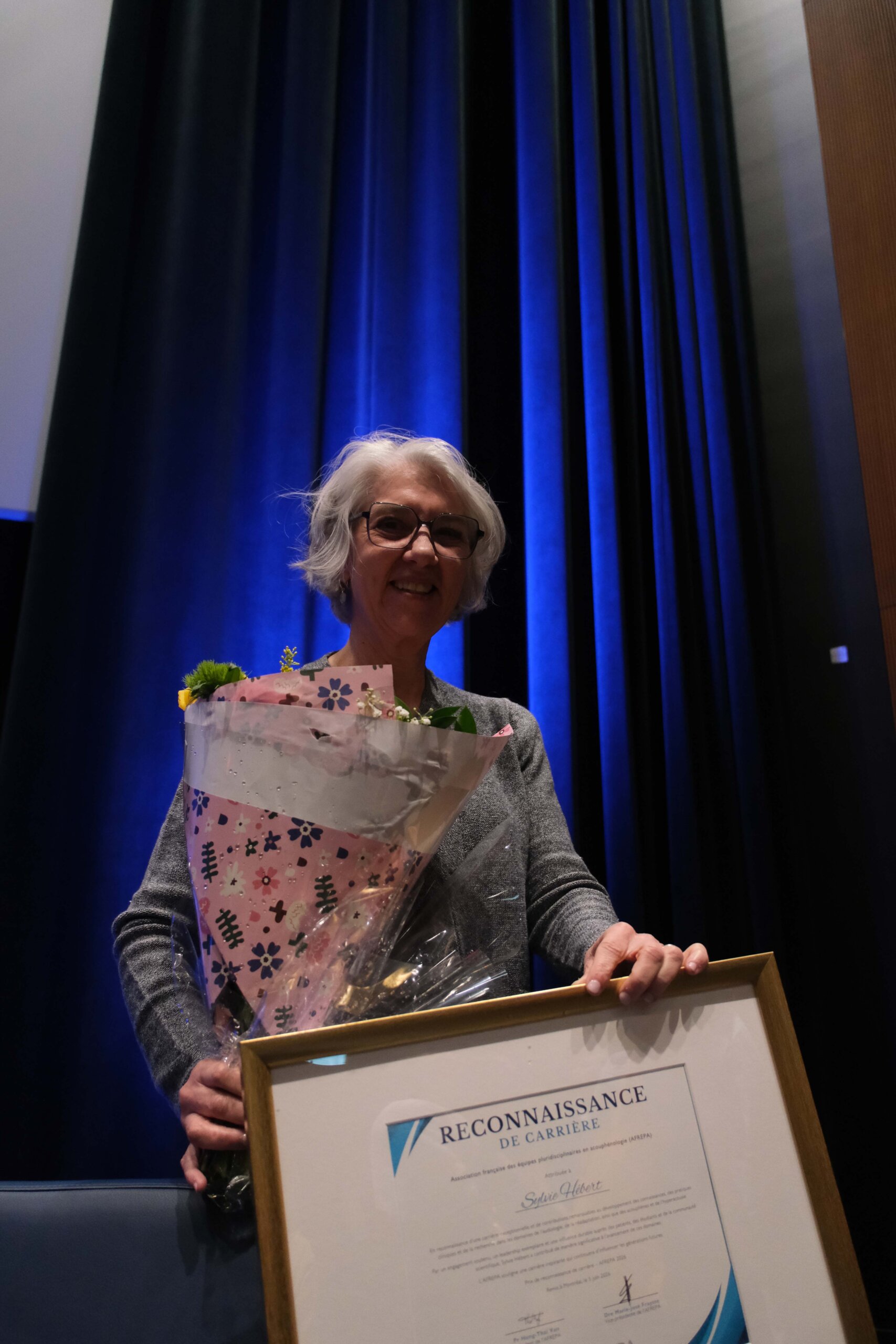
Professor Sylvie Hébert, wins the 2026 AFREPA Career Achievement Award
Francophone Association of Multidisciplinary Teams in Tinnitus Research
"In recognition of an exceptional career and remarkable contributions to the advancement of knowledge, clinical practice, and research in the fields of audiology, rehabilitation, tinnitus, and hyperacusis. Through sustained commitment, exemplary leadership, and a lasting impact on patients, students, and the scientific community, Sylvie Hébert has made significant contributions to the advancement of these fields. AFREPA highlights an inspiring career that will continue to influence future generations."
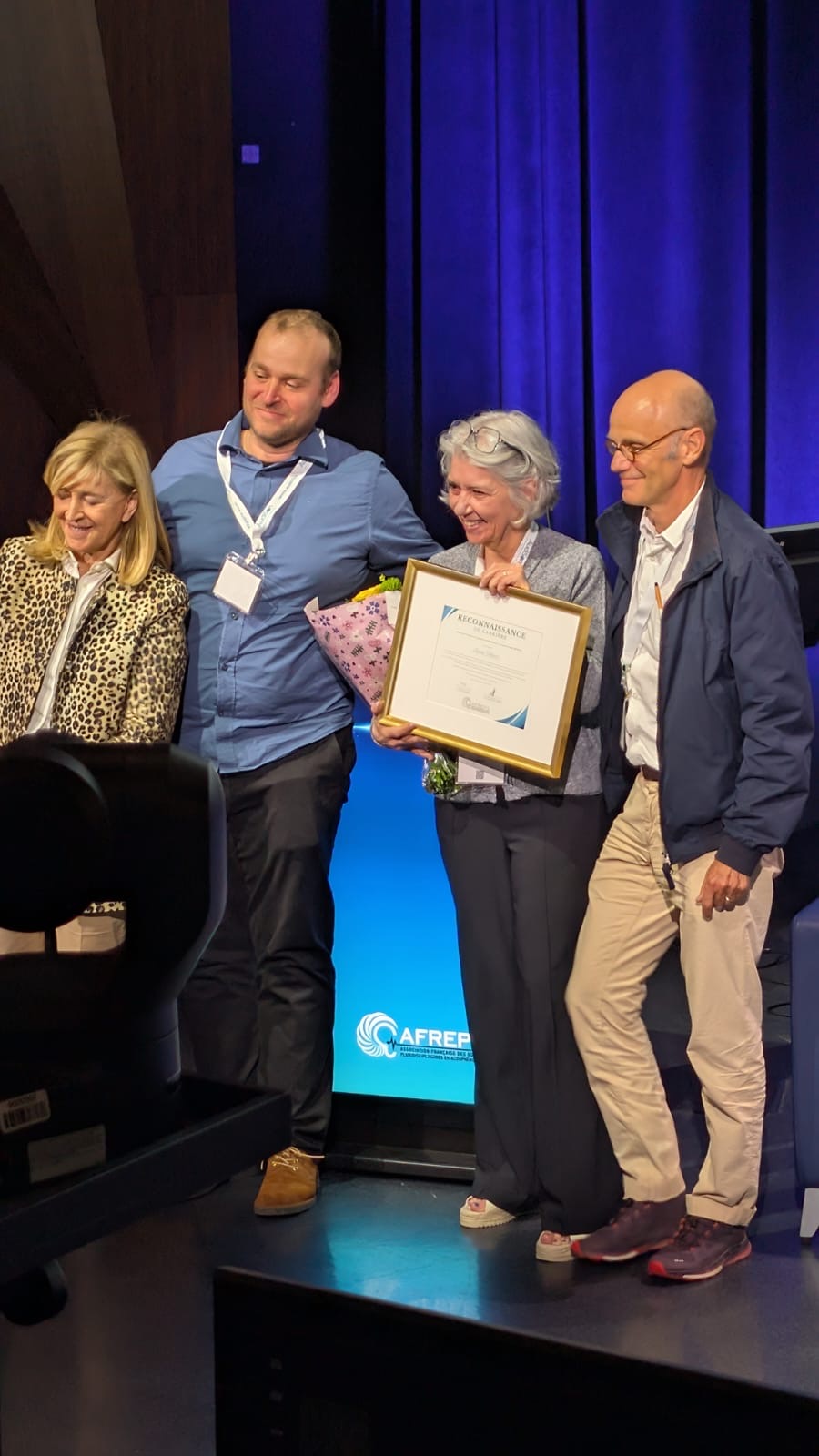
Figure caption: On the picture, from left to right: Dr Marie-José Fraysse, ENT, France, vice-president and co-founder of AFREPA, Philippe Fournier, associate professor, Université Laval, Professor Sylvie Hébert, Dr Vincent Loche, ENT, France, and new president of AFREPA.
Submitted by Philippe Fournier, PhD
AFREPA: Association Francophone des Équipes Pluridisciplinaires en Acouphénologie (Francophone Association of Multidisciplinary Teams in Tinnitus Care )
I recently had the pleasure of organizing the AFREPA conference held last week in Montreal. This edition marked an important milestone, as it was a historic first: for the very first time, this fully French-language conference dedicated to tinnitus and hyperacusis crossed the Atlantic. This ambitious initiative proved to be a great success.
The conference was fully booked and brought together more than 330 participants for nearly 60 presentations, including plenary sessions and practical workshops, over two particularly rich and intensive days. This strong turnout highlights the growing interest in tinnitus and hyperacusis management, as well as the importance of a truly multidisciplinary approach. Participants included 112 hearing aid specialists, 109 audiologists, 23 ENT physicians, 11 psychologists, 29 researchers, and 33 students, along with many other professionals such as social workers, psychoeducators, and clinicians from diverse backgrounds.
Funding from the Fonds de recherche du Québec supported two research students in audiology for their poster presentation.
One prize was awarded to Hadayat Bouzekouk, a master’s student in Speech-Language Pathology and Audiology at the Université de Montréal, under the supervision of Dr. Adriana Lacerda, for her presentation entitled “Hearing Health and Inclusive Communication.” An attached photograph shows Dr. Lacerda receiving the award on behalf of the student, along with Philippe Fournier (organizing committee) and Vincent Loche (President of AFREPA).
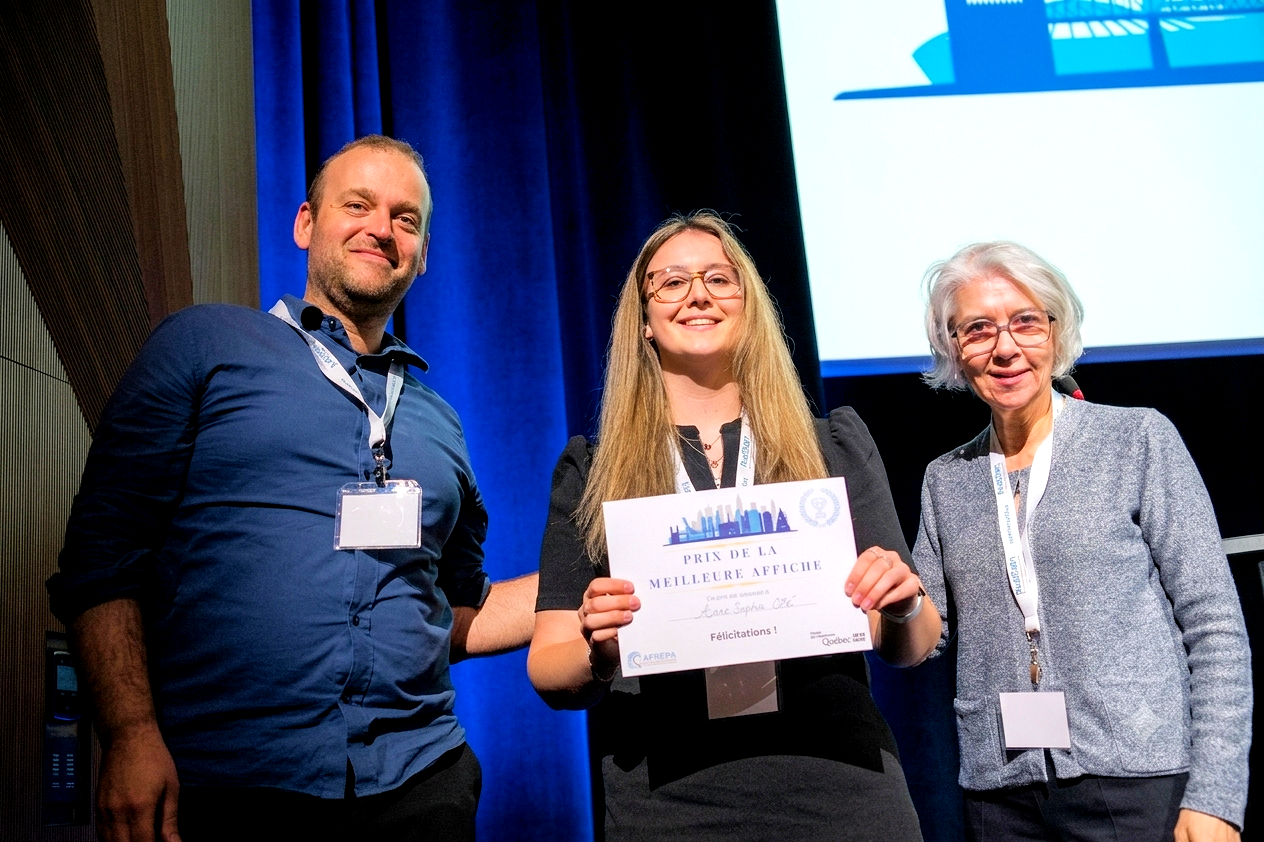
One prize was awarded to Anne-Sophie Côté, a master’s student in Rehabilitation Sciences at Université Laval, under the supervision of Philippe Fournier, Associate Professor, for her presentation entitled “Prevention of Hearing Problems Among Canadian Military Personnel: Validation of an In-Ear Device to Measure Noise Exposure and Its Effects on Hearing.” An attached photograph shows Anne-Sophie Côté receiving her award, together with Philippe Fournier and Sylvie Hébert (organizing committee).
Finally, Professor Sylvie Hébert received the AFREPA 2026 Career Recognition Award. This prestigious distinction recognizes an exceptional career marked by major contributions to the advancement of audiology, research, and clinical practice, as well as remarkable dedication to the scientific community, students, and patients.

Growing Our Team to Better Support You
At Starkey Canada, our growth is guided by one priority: continuing to provide our customers with the partnership, expertise and support they need to succeed. With that commitment in mind, we are pleased to share several updates to our Canadian sales team.
Congratulations to Diana Facey!
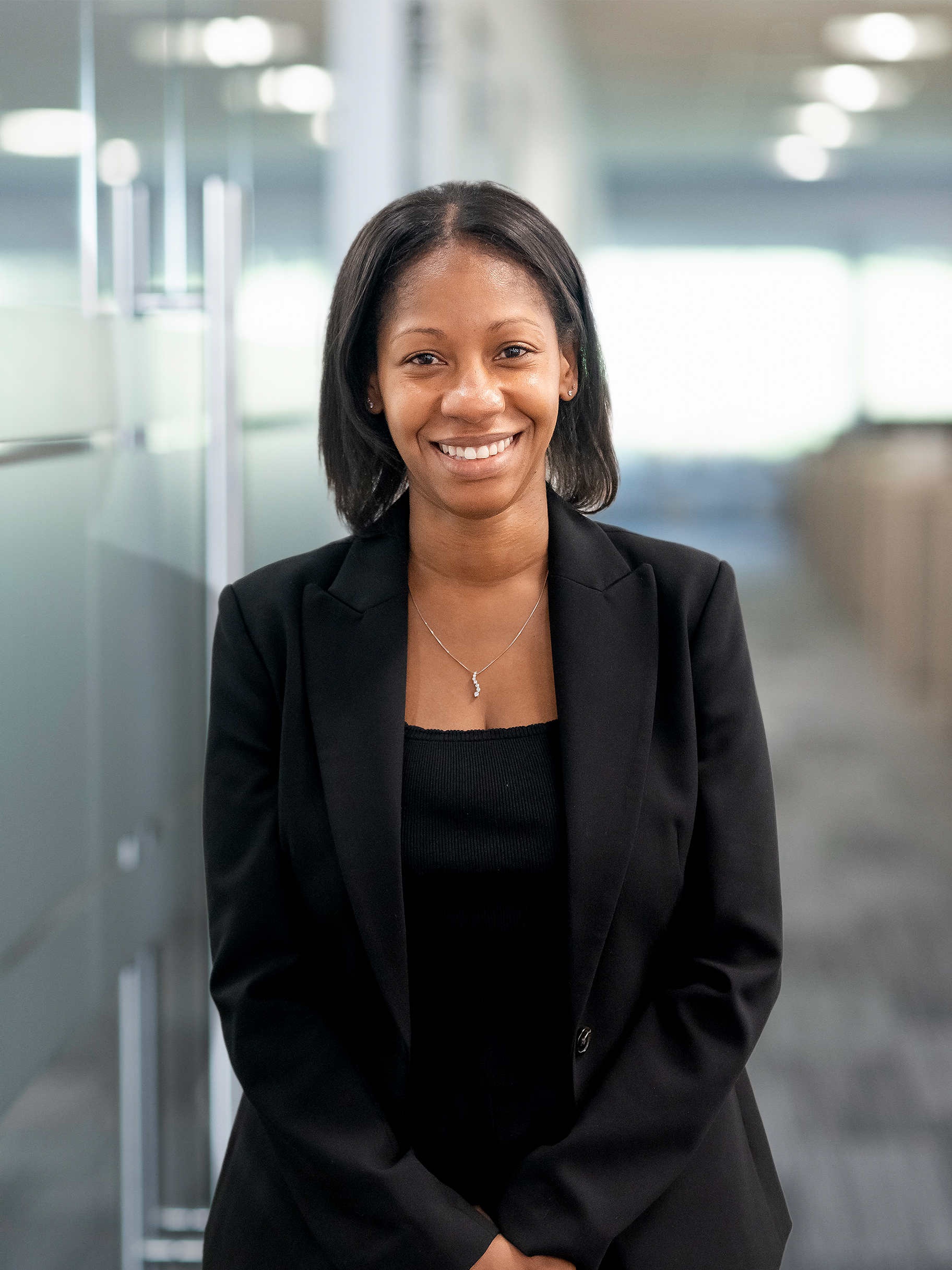
Please join us in congratulating Diana Facey on her promotion to Manager, National Sales English Canada.
In her expanded role, Diana will lead our sales strategy across English Canada, strengthen customer partnerships and support the continued growth and development of our sales team.
Diana has consistently demonstrated exceptional leadership, dedication and a strong commitment to customer success. We are excited to see the impact she will continue to make in this new role.
After his time as National Sales Manager, Marco Coletta will be departing Starkey Canada. We sincerely thank Marco for his contributions, leadership and dedication to our customers, and we wish him continued success in his next chapter.
We are excited about this next stage of growth and remain committed to delivering the partnership and support you expect from Starkey.
Warm Regards,
Starkey Canada
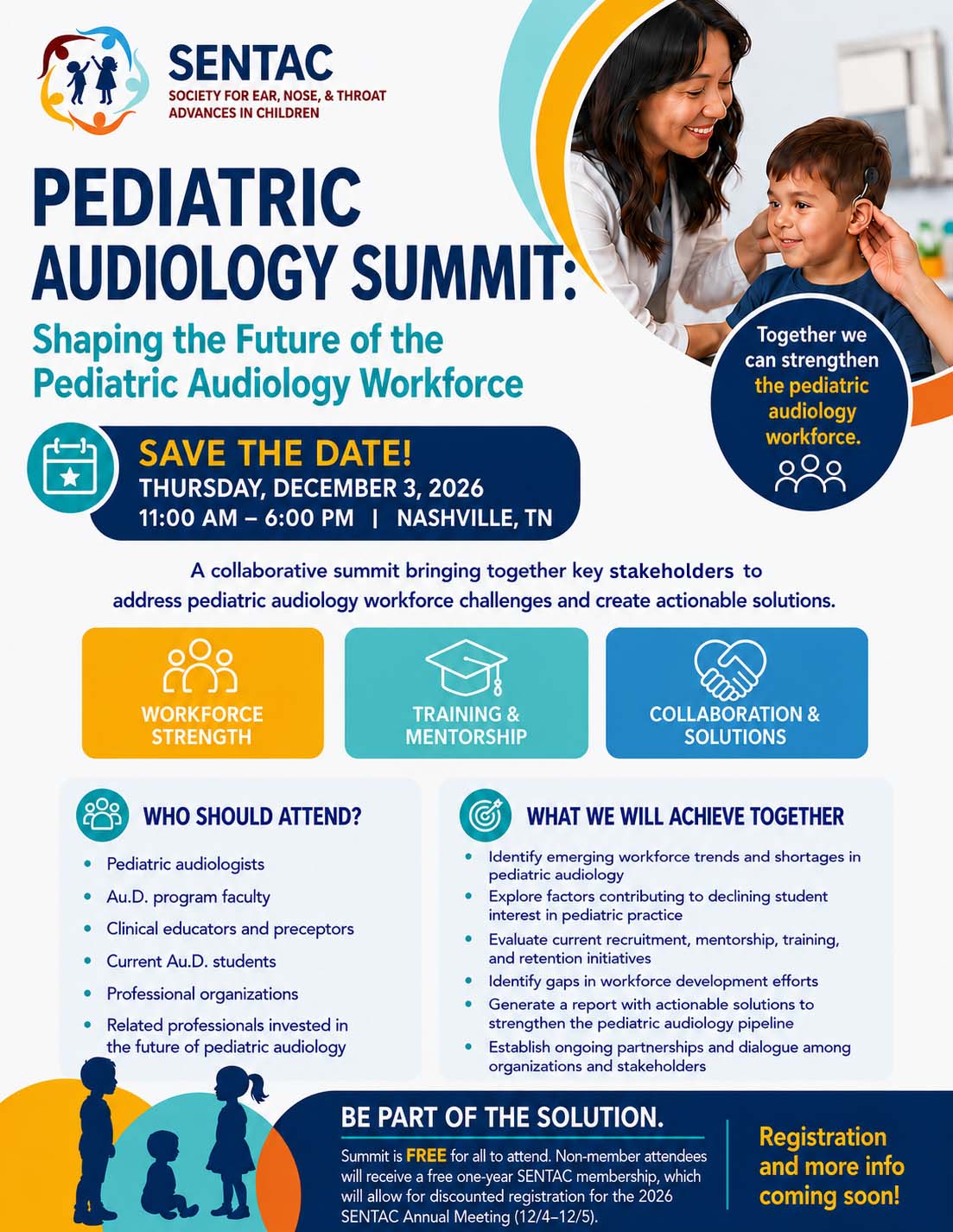
CBT-Hear Norway is a hybrid training programme for audiologists, audiopedagogists, psychologists, counsellors, and other relevant qualified health and social care professionals involved in treating people with tinnitus, hyperacusis, and misophonia.
October 1-2, 2026
CBT-Hear Norway 2026 event page:
https://cbthear.com/cbt-hear-norway-2026-advanced-clinical-training-and-professional-development-programme/
Programme prospectus PDF:
https://cbthear.com/wp-content/uploads/2026/06/CBT-Hear-Norway-2026-Programme-Prospectus.pdf
CBT-Hear Norway is a hybrid training programme for audiologists, audiopedagogists, psychologists, counsellors, and other relevant qualified health and social care professionals involved in treating people with tinnitus, hyperacusis, and misophonia.
The programme combines a 2-day face-to-face masterclass with 12 months of online learning and professional development. Throughout the year, participants will engage in online lectures and teaching, clinical supervision, reflective practice, case discussion, longitudinal mentorship, and access to the CBT-Hear learning platform and educational resources.
The programme is designed to help clinicians develop their knowledge and skills in the assessment and management of tinnitus, hyperacusis, and misophonia-related distress.
Graduates who successfully complete the programme will achieve CBT-Hear Certified Practitioner status. Certified Practitioners are trained to deliver specialised rehabilitation programmes based on cognitive behavioural therapy (CBT) for patients experiencing distress associated with tinnitus, hyperacusis, and misophonia, while working within their professional scope of practice.
Following certification, participants may progress to CBT-Hear Certified Advanced Clinician, which focuses on the management of more complex presentations involving multidisciplinary collaboration. Further progression to CBT-Hear Fellowship is available for clinicians who demonstrate ongoing professional development, clinical achievement, and contributions to the field.
The CBT-Hear Public Register lists clinicians who are registered within the CBT-Hear Certification Programme and authorised to use CBT-Hear professional titles at their recorded certification level. Inclusion on the register confirms that a clinician has met the requirements for registration at that level and agrees to practise in accordance with the CBT-Hear Code of Ethics, Scope of Practice, and governance standards. The register serves as the authoritative source of current registration status.
Dates:
1–2 October 2026 – Face-to-face masterclass
October 2026 – September 2027 – 12 months of online learning, supervision, mentorship, and professional development
Venue: Quality Airport Hotel Gardermoen, Norway
Programme Fee: £2,800
Does the Apple Airpods Pro 2 hearing aid feature meet prescribed targets for standardized audiograms?
Huang, H., Dalzell, T., & Picou, E.M. (Published online: 27 June 2026. International Journal of Audiology, https://doi.org/10.1080/14992027.2026.2685112
Objective
We aimed to record deviation of Apple AirPods Pro 2 Hearing Aid Feature (HAF) output from prescriptive targets (i.e., NAL-NL2) using two manually entered, standardized audiograms. We also aimed to record the acoustic effects of the HAF tuning controls and their utility for fine tuning HAF outputs.
Design and study sample
HAF output was quantified by real-ear aided responses measured bilaterally in an acoustic manikin using 55, 65, and 75 dB SPL recorded speech inputs. Repeated measurements were made for left and right earbuds, from two sets of AirPods Pro 2 devices. Two manually entered, standardized audiograms (mild- and moderate-sloping hearing losses) were used to generate prescriptive targets. Fine tuning by a researcher towards validated prescriptive targets was explored using “Amplification” and “Tone” sliders on an iPhone.
Results
For both manually-entered audiograms, under-amplification relative to targets was observed at HAF’s default setting; however, match to targets could be achieved after fine tuning. The “amplification” slider gives ∼10 dB of broadband level changes, while “Tone” slider gives ∼5–10 dB of spectral tilt.
Hope for neural hearing loss
18 May 2026 from ENT & Audiology News, UK
A new review shows significant promise of improved clinical outcomes for patients from the treatments in development for neural hearing loss (NHL), alongside better diagnosis.
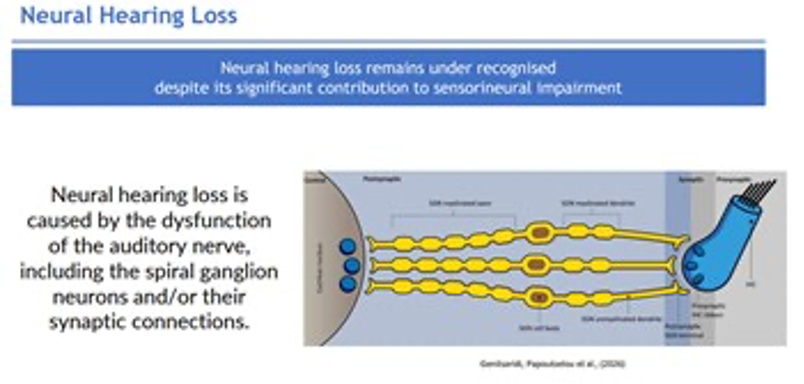
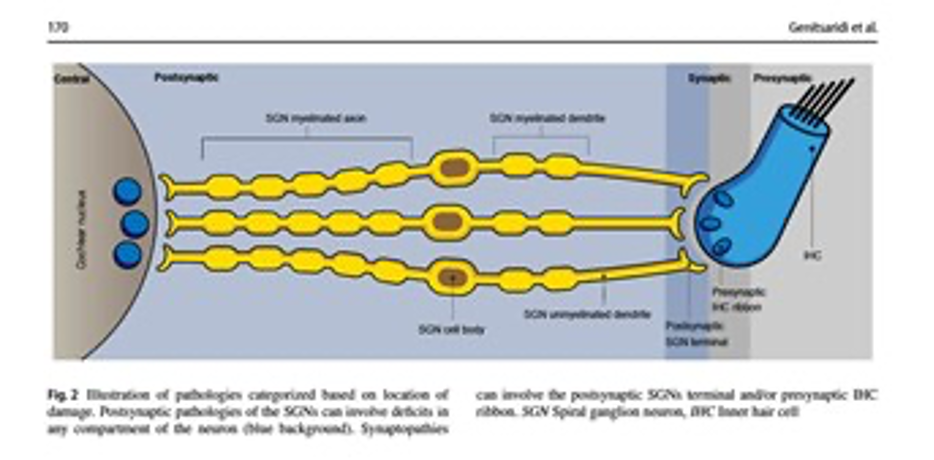
NHL is responsible for a range of hearing disorders including auditory neuropathy spectrum disorder (ANSD) and playing a significant role in the development of presbycusis or age-related hearing loss. Symptoms include difficulties with real world hearing function, speech recognition and particularly distinguishing ‘speech in noise', for example in a crowded place. Standard devices such as hearing aids and cochlear implants are unsatisfactory where there is NHL as they are designed to counter hair cell loss, not nerve cell loss. There is no approved drug treatment for neural hearing loss, leaving patients with poor outcomes.
The review, authored by Rinri Therapeutics, assesses the contribution of neural hearing loss (NHL), driven by dysfunction of the auditory nerve in the ear, to hearing impairments, and shows that groundbreaking approaches such as cell therapies are on the horizon. The review concludes that elevating the importance of neural health via better diagnosis and treatment is crucial for restoration of natural hearing.
The authors highlight the range of interventions in development to address this unmet medical need. Emerging strategies for neural protection include small molecules, neutrophins, direct reprogramming, drug delivery systems and gene-based therapies. However, it is only cell therapies which offer the potential for true repair and regeneration. Recent approval of a UK clinical trial application for a first-in-human trial of Rinri Therapeutics' Rincell-1 is a significant step in the development of a regenerative cell therapy approach to NHL. Rincell-1 consists of otic neural progenitor cells designed to regenerate auditory neurons and is expected to enter the clinic shortly.
Recognising the likely underdiagnosis of NHL, despite its high prevalence, due to factors such as a lack of sensitive and specific tests, the inaccessibility of the cochlea and lack of specific treatments, the authors call for more research in this area. This could include development of biomarkers and increased ‘speech in noise’ testing as routine.
“Consolidating the extensive neural hearing loss research into this review highlights the central role it plays in hearing loss conditions. With today’s increased understanding of NHL, a paradigm shift is underway to improve outcomes for people with this widespread but underdiagnosed condition”, said lead authors Drs Eleni Genitsaridi and Efstratia Papoutselou of Rinri Therapeutics.
The paper, 'Neural Hearing Loss: Mechanisms, Diagnosis and Treatment Horizons' was published in Journal of the Association for Research in Otolaryngology (2026)
William “Bill” Ahroon Obituary
Used with permission from the National Hearing Conservation Association (NHCA)
It is with sadness that we share the news of the passing of William “Bill” Ahroon, who we recently learned passed away on February 16, 2026, at the age of 77.
Bill made significant contributions to the fields of acoustics and hearing conservation during his career with the U.S. Army Aeromedical Research Laboratory at Fort Rucker, Alabama. His work focused on identifying and understanding hazards to hearing and developing approaches to better protect hearing, particularly among military personnel.
Bill was also an important member of the research community at the University at Buffalo, where he worked with colleagues whose research made lasting contributions to our understanding of noise-induced and sensorineural hearing loss. Among his many publications was the highly influential Neural Correlates of Sensorineural Hearing Loss, co-authored with Richard Salvi, Don Henderson, and Roger Hamernik.
For those who knew Bill personally, his impact extended well beyond his research. He was a generous colleague, mentor, and teacher who shared his knowledge freely and helped shape the work of those around him. His dedication to hearing conservation and his contributions to the field will continue to be remembered by the many people whose work and lives he touched.