
The Way I Hear It


The Way I Hear It
Gael Hannan (The Way I Hear It) is a hard of hearing advocate that understands both sides of the fence between the consumer and the hearing health care professional. Gael’s columns are humorous, sometimes cutting, but always constructive and to the point.
Visible Signs of Healing
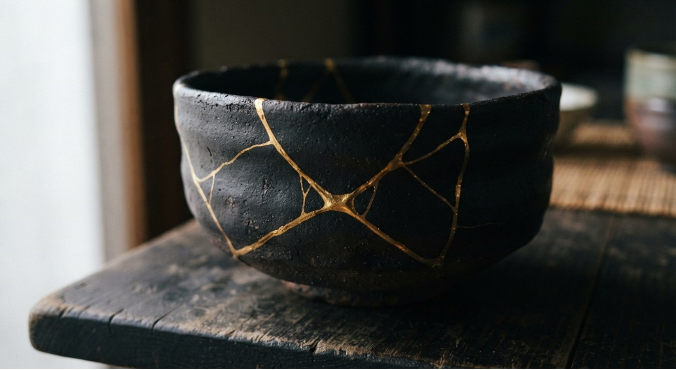
What do our hearing aids tell other people about us?
It should be just one thing – these devices help us hear.
Not that we’re broken or lesser than – in fact, just the opposite. Using hearing aids should indicate that we have identified a problem and done something about it. The adjective ‘broken’ means damaged or no longer working properly. When we develop hearing loss, our auditory system may be broken but we, as people, are not.
(As hearing professionals, you may think, “well, duhh, of course!” But your scientific, pragmatic approach to hearing loss and assistive devices can stray far from the emotional impact people feel.)
Rather than ‘broken’, I prefer the term ‘cracked’. As organic beings, we develop many cracks over time, through accidents, illness, or the inevitable process of ageing.
My once-smooth skin is cracked (kindlier known as wrinkles). My knee cracks when I stand up. My memory has a few cracks. But for a growing number of people, hearing loss imposes a life-changing crack on our communication, the glue that connects us to other people. While medical issues such as a cold or skin abrasion can be repaired by our own bodies, sensory or neural hearing loss cannot (yet) be cured.
Hearing loss changes us in a thousand ways, but we are not broken or beyond repair. We have the power to reclaim our communication not only through assistive technology, but also through how we view this technology and hearing loss itself.
I recently saw a picture of Japanese pottery called kintsugi, which means “golden joinery”. The ancient technique reignites broken pottery with a special gold lacquer that highlights the cracks, transforming scars into marks of distinction.
I see my hearing devices in the same light. They are silver, not gold, and they are my lifelines. They pulled me together, filling many (but not all) of the cracks, smoothing the once-brokenness of my communication. Without them, I hear almost no sound, but when they are in place, sound is restored to me.
Not perfectly. Not completely. But beautifully. I love the words of writer Austin Leon: “The thing I love about Kintsugi is the visible trace of healing and repair — the idea of highlighted, glowing scars.”
The life I live with profound hearing loss is different than what it might have been – a life of perfect hearing where it’s easier, where I don’t have to fight to fix the little, continual disconnects from another person.
But this is who I am. My silver devices fill the cracks created by hearing loss, and I’m grateful not only for the beauty that’s in the eye of the beholder, but my hard-fought sense of wholeness from within.